Practical Tips for Using Air Conditioning Efficiently and Reducing Costs
Air conditioning is essential for many households, but it can be a major contributor to energy bills. Fortunately, there are effective strategies to keep cool while using your air conditioning (AC) system efficiently and lowering costs. Below, we’ve outlined the best ways to optimise your AC usage, reduce energy consumption, and maintain a comfortable home environment.
1. Set the Ideal Temperature
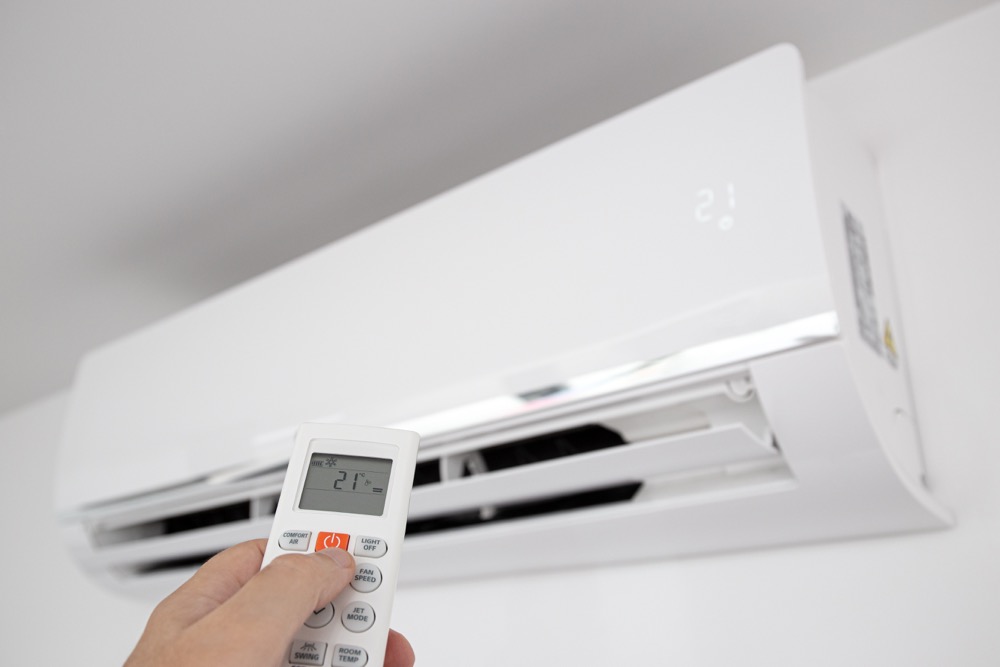
- Optimal Range: Setting your AC at around 24 is often recommended for maximum efficiency and comfort. For every degree below this range, energy usage can increase by around 10%.
- Avoid Drastic Adjustments: Resist the urge to set the temperature extremely low at the start, as this won’t cool your space faster; it simply uses more power.
- Night Mode: Many AC systems have an energy-saving night mode that automatically adjusts temperature settings when you’re asleep, saving energy.
2. Use a Programmable Thermostat
- Smart Temperature Control: A programmable thermostat allows you to set your AC to run only when needed, such as before you get home or during peak daytime hours.
- Smart Thermostats: For even better efficiency, smart thermostats let you control and monitor your AC remotely. Adjust settings from your phone or set schedules based on the time of day and room occupancy.
- Energy Savings: By using smart or programmable thermostats, you can reduce energy consumption by up to 15%, according to various studies.
3. Seal and Insulate Your Home
- Check for Gaps: Windows, doors, and even walls can let cool air escape, forcing your AC to work harder. Sealing gaps and cracks helps retain cool air and reduces strain on the unit.
- Install Insulation: Proper insulation in walls, ceilings, and floors helps maintain indoor temperature, reducing the workload on your AC system.
- Close Curtains and Blinds: Sunlight streaming in through windows can quickly heat up a room. Use thick curtains or blinds during the hottest part of the day to keep spaces cooler and more energy-efficient.
4. Keep Filters Clean
- Routine Filter Cleaning: Dusty or clogged filters reduce airflow and make the AC work harder, using more energy. Regularly clean or replace filters every one to three months, or more frequently if you have pets or allergies.
- Enhanced Air Quality: Clean filters also improve indoor air quality by removing dust, pollen, and allergens, which is especially beneficial for those with respiratory issues.
- Energy Savings: A well-maintained filter can reduce AC energy usage by up to 15%, ensuring your system runs more smoothly and effectively.
5. Make Use of Ceiling Fans
- Complementing AC with Fans: Ceiling fans help circulate cool air, allowing you to set the AC at a slightly higher temperature without sacrificing comfort.
- Reverse Function for Summer: Set ceiling fans to rotate counterclockwise in summer to push cool air down, creating a breeze effect.
- Increased Efficiency: By using ceiling fans alongside AC, you can potentially reduce energy consumption by around 4-6%.
6. Regular AC Maintenance
- Routine Professional Check-Ups: Just like any other appliance, your AC benefits from regular maintenance. Schedule annual check-ups to ensure it’s running efficiently and identify any potential issues.
- Clean Coils and Fins: Dirt build-up on coils and fins can reduce the AC’s ability to absorb heat. Cleaning these parts boosts efficiency and prolongs the system’s life.
- Energy Efficiency Gains: With routine maintenance, an AC system can maintain up to 95% of its original efficiency, saving both energy and repair costs in the long run.
7. Avoid Heat-Producing Appliances During Peak Hours
- Limit Appliance Use in Hot Weather: Ovens, dryers, and even lightbulbs produce heat that can make your AC work harder. Try to use these appliances during cooler hours.
- Switch to LED Bulbs: Incandescent bulbs generate heat, adding strain to your AC. LED bulbs emit significantly less heat and are more energy-efficient.
- Simple Changes for Big Savings: Making small adjustments in appliance usage can significantly impact how hard your AC needs to work, lowering energy consumption.
8. Upgrade to an Energy-Efficient AC Model
- Look for High EER or SEER Ratings: When it’s time to replace your AC, consider models with high Energy Efficiency Ratios (EER) or Seasonal Energy Efficiency Ratios (SEER). Higher ratings mean better efficiency and lower running costs.
- Consider Inverter Technology: Inverter ACs adjust speed and cooling capacity in real-time, resulting in energy savings of up to 30% compared to non-inverter units.
- Government Rebates and Incentives: Many regions offer rebates for upgrading to energy-efficient systems, so it’s worth exploring what’s available in your area.
9. Utilise Natural Ventilation When Possible
- Nighttime Cooling: In climates where temperatures drop in the evening, take advantage of natural ventilation by opening windows and letting in cool air.
- Cross Ventilation: Encourage air circulation by opening windows on opposite sides of your home to create a natural cross breeze, allowing you to rely less on air conditioning.
- Fresh Air Benefits: Not only does natural ventilation reduce your AC use, but it also improves indoor air quality, bringing in fresh air.
10. Adjust Humidity Levels
- Dehumidify Your Home: High humidity makes it feel warmer indoors, prompting higher AC use. By using a dehumidifier, you can keep the humidity level below 60%, making the air feel cooler.
- Integrated Dehumidifiers: Some modern AC systems come with dehumidifying functions that help maintain comfort while consuming less energy.
- Improved Comfort: By managing humidity levels, you’ll feel comfortable at higher temperatures, allowing you to adjust the thermostat for better energy savings.ChatGPT
11. Install Solar Panels to Power Your Air Conditioning
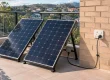
- Harness Renewable Energy: Solar panels generate electricity from sunlight, allowing you to power your air conditioning with a renewable source rather than drawing from the grid.
- Reduce Energy Bills: By offsetting daytime air conditioning use with solar power, you can see significant reductions in your energy costs, especially during the hot summer months.
- Lower Your Carbon Footprint: Solar energy is a clean, green power source that reduces greenhouse gas emissions and environmental impact, so you’re saving money while supporting a sustainable future.
- Increase Your Home’s Value: Installing solar panels can add value to your property and make it more attractive to potential buyers looking for energy-efficient homes.
At Halcol Energy, we specialise in helping Queenslanders enjoy year-round comfort while keeping energy costs under control. By installing a solar energy system, you can run your air conditioning guilt-free, knowing you’re using clean energy and saving money in the process. Chat with our team about the benefits of solar and take control of your energy expenses today.